

Published Updated
Why Is My Bonsai Dying? Causes and How to Revive It
"The leaves don't look right" or "something seems off", every bonsai grower runs into moments like this sooner or later. Before giving up on your tree, the key is correctly identifying what's actually wrong. This guide walks through the most common causes of a struggling bonsai and how to address each one.
Signs Your Tree May Be Struggling
Curling leaf tips, leaves turning yellow or brown, or a lack of new growth are all signs that something is affecting your tree's health. Before reacting, take a moment to observe the whole tree carefully and see which of the causes below might apply.
Cause 1: Underwatering
If the soil has been allowed to dry out completely for too long, leaf tips will curl and leaves lose their shine. Revisit the basics: water thoroughly once the soil surface is dry, until water flows from the drainage holes. See our watering basics guide for more detail.
Cause 2: Overwatering (Root Rot)
If the soil stays constantly wet, leaves turn yellow, or there is an unpleasant smell near the base of the trunk, root rot is a likely cause. Cut back on watering frequency and move the tree somewhere with better airflow. In more advanced cases, you may need to remove the tree from its pot and trim away damaged roots.
Cause 3: Insufficient Light or Poor Placement
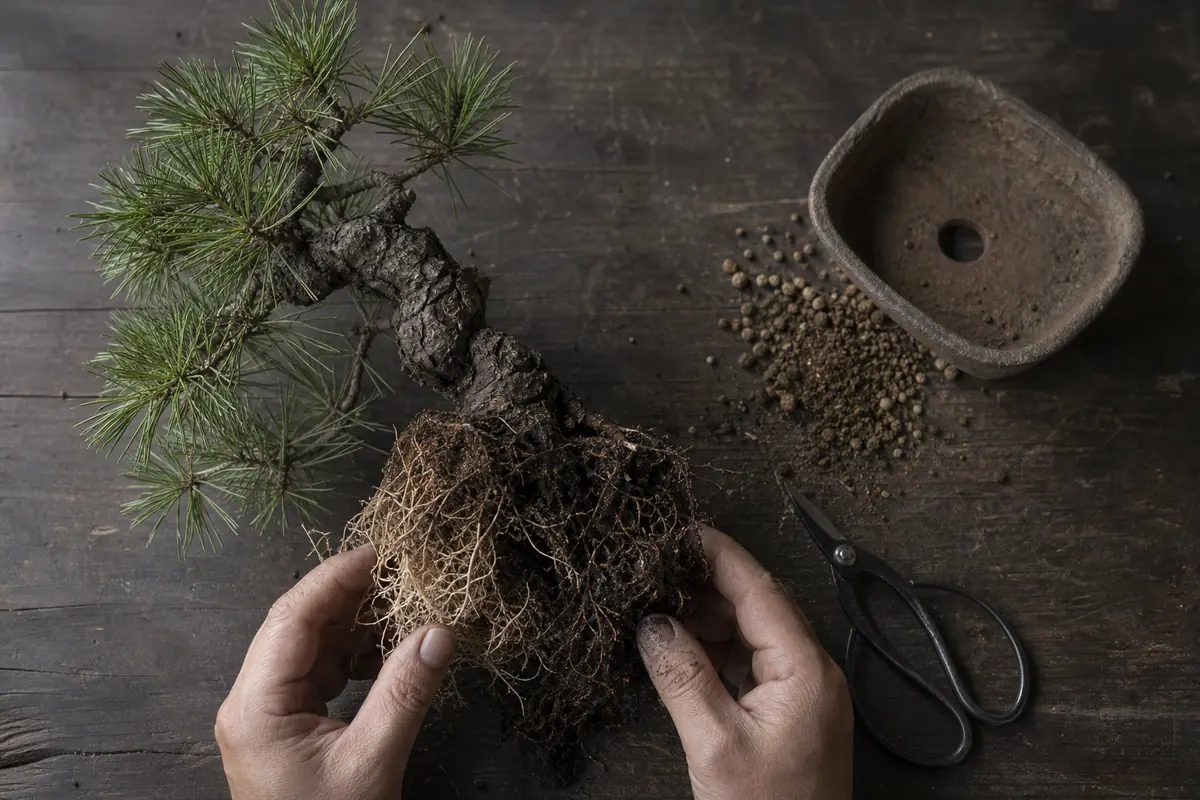
Most bonsai need to be grown outdoors with ample natural light. Leaving a tree indoors or in a shaded spot for too long can cause branches to stretch out unnaturally (etiolation) and leaves to lose their color. Where possible, move your tree somewhere with better light and airflow. Pines in particular love sun, so for a tree like our Sensho pine, a spot with about half a day of direct sunlight is a good guide.
Cause 4: Pests or Disease
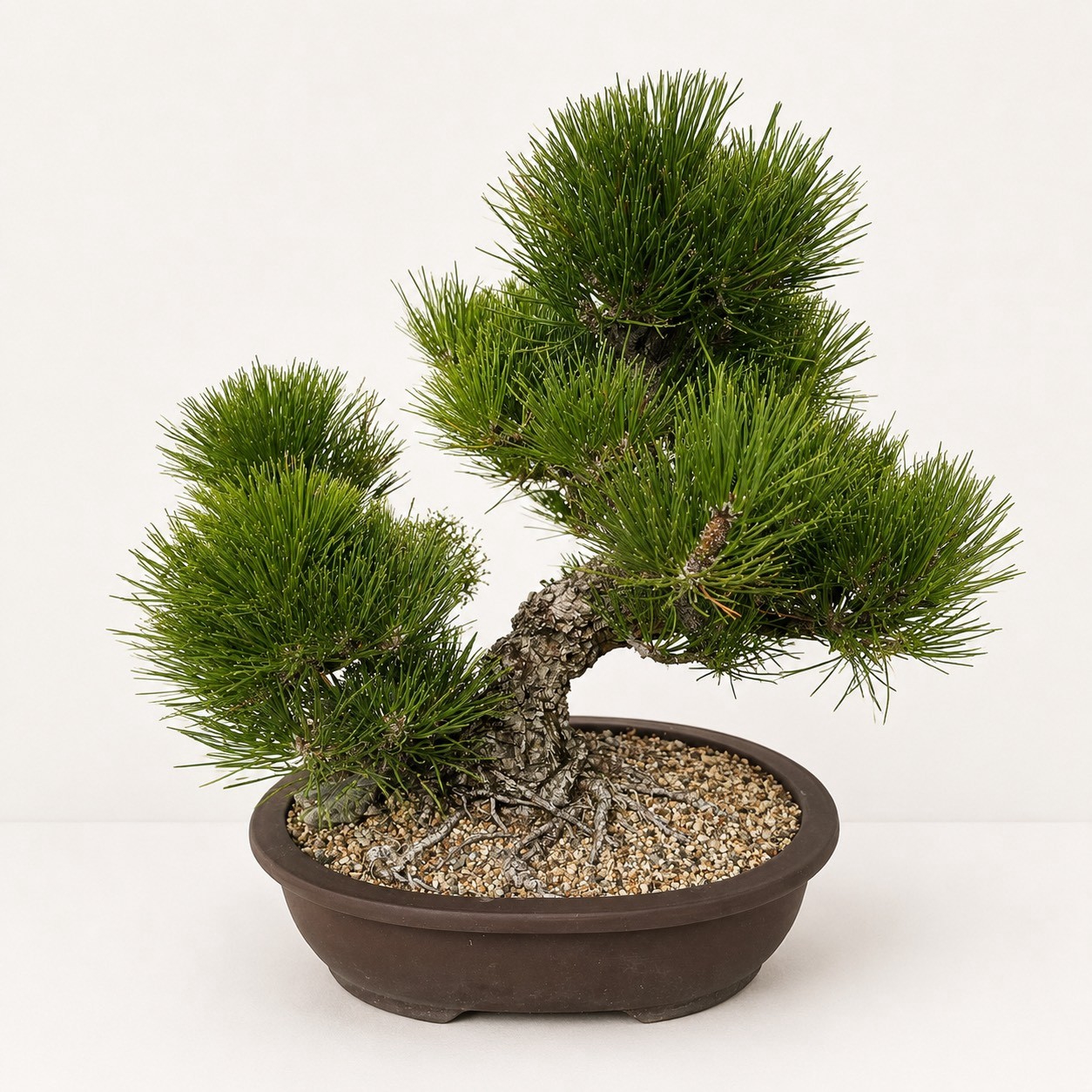
Tiny insects on the undersides of leaves, or a sooty black residue on the foliage, may point to a pest or disease issue. Catching these early usually makes them easy to treat, see our bonsai pest and disease guide for details.
Cause 5: Root-Bound Soil (Overdue Repotting)
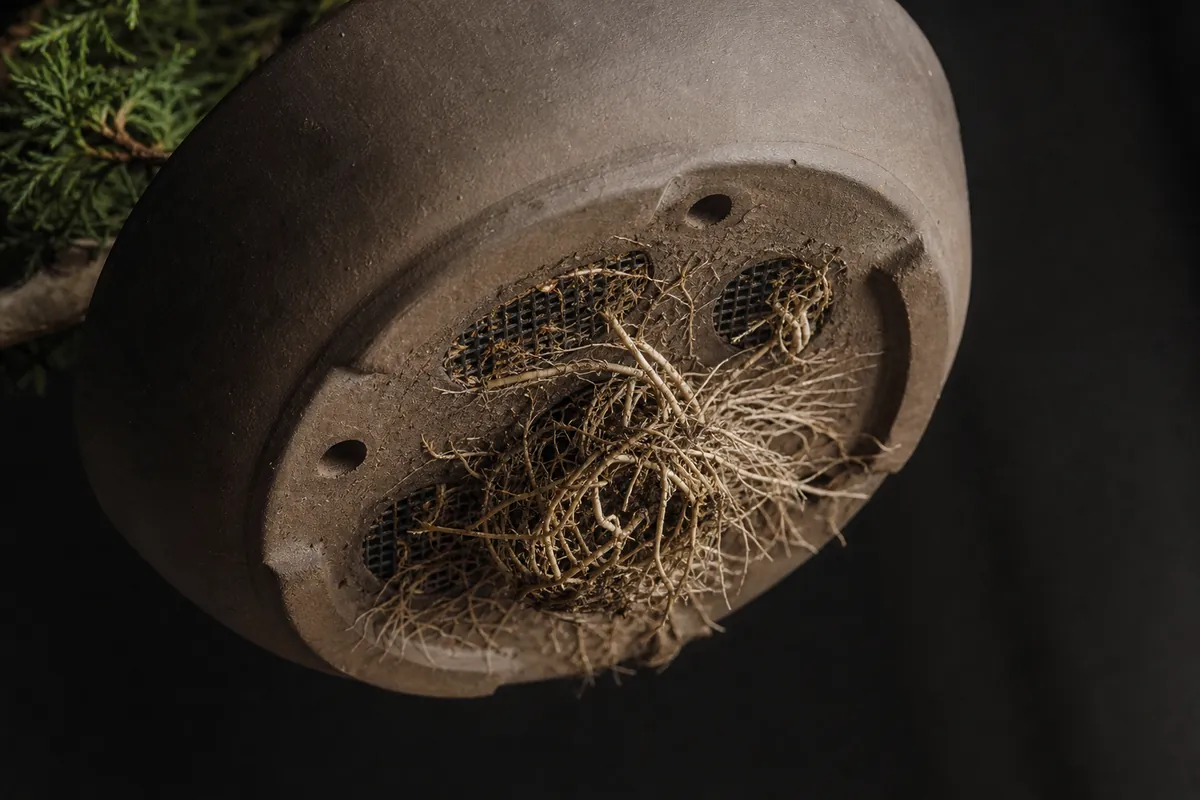
When roots completely fill the pot, the tree struggles to absorb water and nutrients, and new growth slows down. If it has been more than 2-3 years since your last repotting, this could be the cause. See our repotting and pot guide for more.
Steps to Improve Your Tree's Chances of Recovery
- Fix the environment first. Check for extremes, too much direct sun, too much wind, and correct them.
- Get the watering frequency right. Return to the basic rule of watering thoroughly once dry, avoiding both over- and under-watering.
- Don't rush into major work. Heavy pruning or repotting on an already-stressed tree can be too much for it to handle. Sometimes the best move is to stabilize the environment and watering, then give the tree time to recover on its own.
Even if a tree has lost all its leaves, as long as the trunk and branches still have living tissue, recovery over time is often still possible. Before giving up, work through the possible causes one by one.
When It Is Hard to Tell
If the trunk or branches appear completely dead throughout, or you simply can't pin down the cause, it may be worth reaching out to the shop you purchased from rather than continuing to guess on your own. If you have concerns about a tree you purchased from Kagawa Bonsai, feel free to reach out via our contact page.
Frequently Asked Questions
All the leaves have fallen off. Is the tree dead?
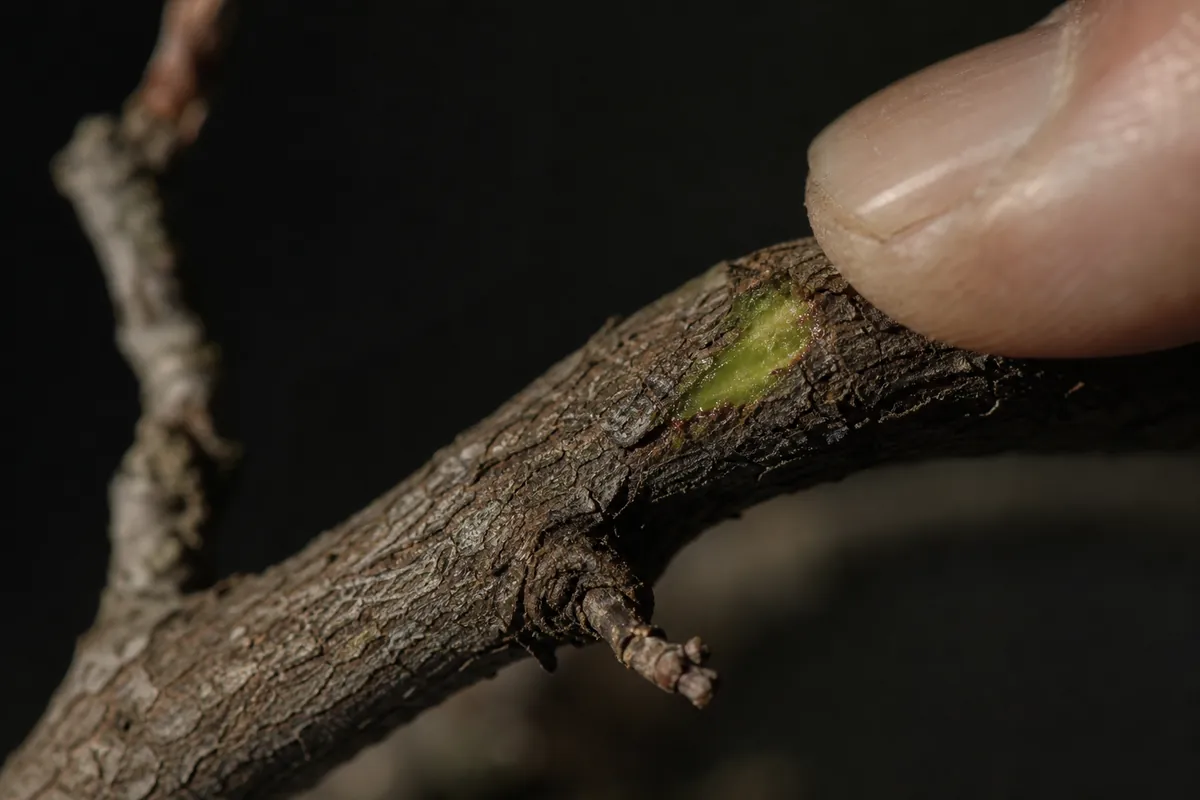
Even with no leaves, a tree can recover if the trunk and branches are still alive. Lightly scratch the bark of a thin branch with a fingernail: moist green underneath means it is alive. If it is brown and dry, that branch has probably died, so check a few different spots.
Will fertilizer help a weak tree recover?
Fertilizer can actually burden a weak tree, especially if the roots are damaged. Sort out the location and watering first, and as a guide, resume feeding once new shoots start to grow and the tree has settled.
Can I ask for advice if a tree I bought from Kagawa Bonsai isn't doing well?
Yes, please get in touch through the contact form. Telling us about changes in leaf color, where the tree is kept, how often you water and when you first noticed the symptoms helps us understand its condition.