

Published Updated
Bonsai Winter Care: The Basics of Cold Protection
Winter care is one of the things new bonsai owners worry about most. While bonsai can seem delicate, the truth is that most varieties are perfectly capable of spending the winter outdoors. This guide covers the essential steps for a safe, successful winter.
Most Bonsai Are Fine Outdoors in Winter
Conifers such as black pine, Japanese white pine, and Chinese juniper, along with many other species, are naturally equipped to tolerate outdoor cold. In fact, a period of winter chill is often said to help establish a healthy growth rhythm come spring. There is no need to panic and bring your tree indoors just because temperatures drop.
Protecting Against Frost and Freezing
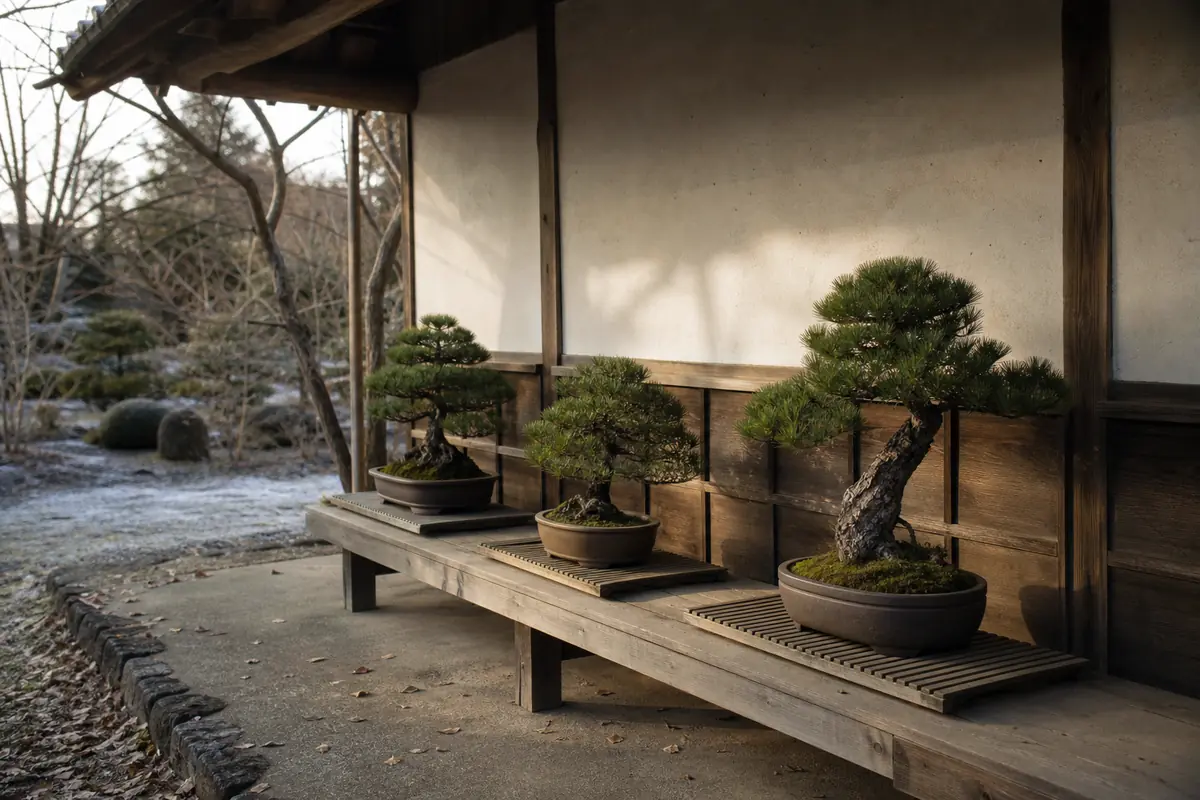
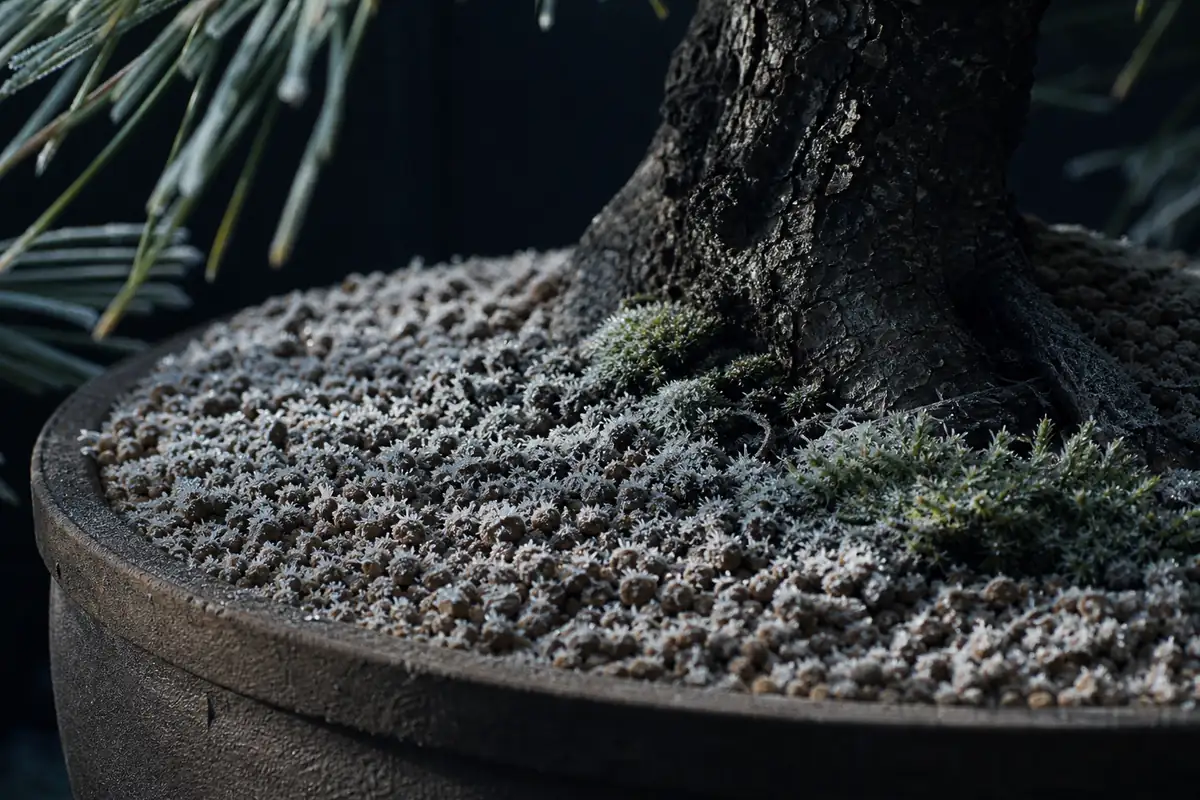
Even cold-hardy species can suffer root damage if the soil in the pot freezes solid. This risk is higher for smaller pots, or pots sitting directly on cold ground or concrete. Raising the pot off the ground with a slatted stand or wooden board, and placing it against a wall away from direct wind, can significantly reduce the risk of freezing.
Adjusting Winter Watering
Growth slows considerably in winter, so watering frequency should be reduced accordingly, water sparingly, roughly 2-3 days after the soil surface dries out. That said, letting the soil dry out completely is also harmful, so keep checking the soil regularly. Avoid watering in the early morning when temperatures are at their lowest, as the water can freeze within the soil, a relatively warm part of the day is best.
Wind Protection and Placement
A spot exposed to constant, strong north winds can cause excessive drying and damage to branch tips. Where possible, move your tree to a south-facing spot with good sun exposure, or somewhere sheltered by a wall, to reduce the stress on the tree.
Cold Tolerance by Species (General Guide)
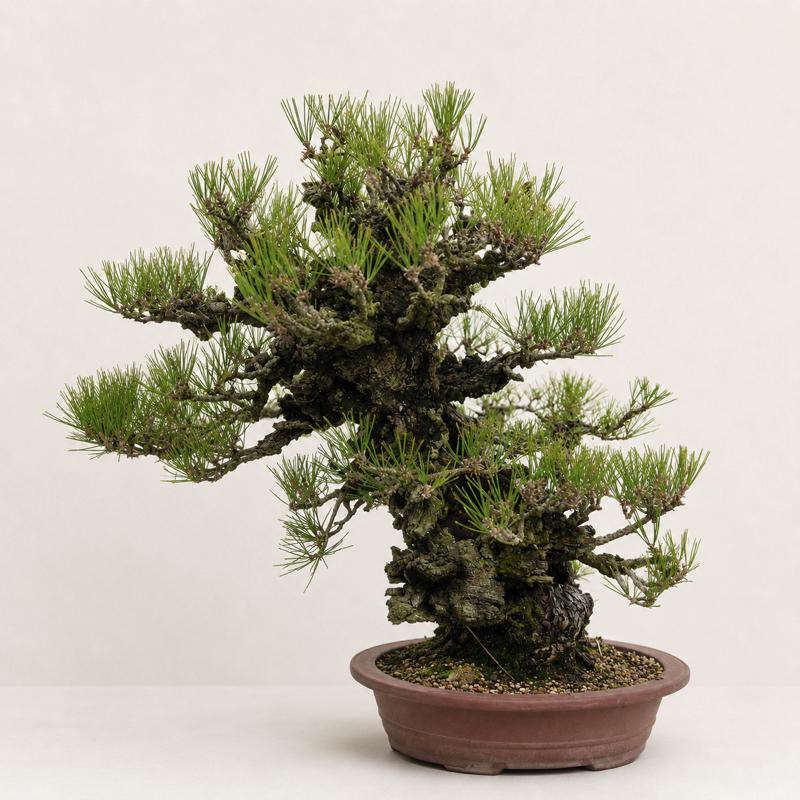
- Conifers (black pine, white pine, Chinese juniper, etc.): Relatively cold-hardy, and can usually be left outdoors through winter without special protection.
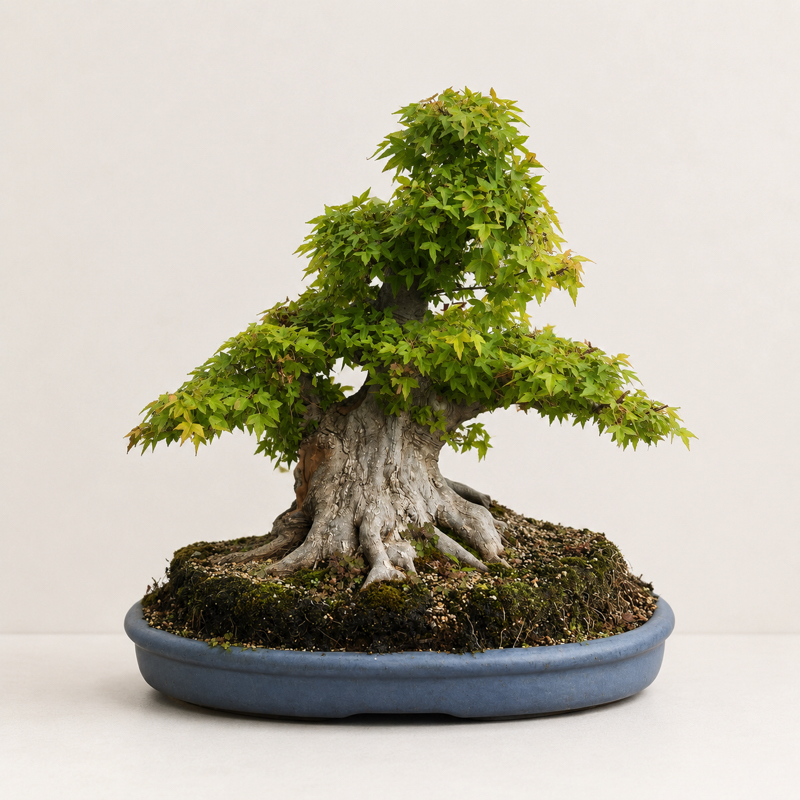
- Deciduous trees (maple, ginkgo, etc.): These go dormant after losing their leaves and tolerate cold reasonably well, but need protection from extreme dryness and strong wind.
If you are unsure of your tree's species or have concerns about its cold tolerance, it is worth checking with the shop you purchased it from.
Bringing a Tree Indoors: What to Watch For
If you are especially worried, or growing a species known to be more cold-sensitive, moving it temporarily to a bright indoor spot is an option, but avoid placing it directly in the path of heating vents, which can dry it out excessively. Indoor spaces also tend to receive far less light than outdoors, so extended indoor stays can affect growth.
In Summary
The goal of winter care is not to shield your tree from cold entirely, it is to avoid the extremes of freezing, excessive dryness, and strong wind. Get these basics right, and most bonsai will make it through winter outdoors just fine, ready to put out new growth in spring. For more on getting watering right year-round, see our bonsai watering basics guide.
Frequently Asked Questions
Is it all right to buy a bonsai in winter?
Yes. Winter is a quiet period for the tree. When it arrives, let it rest for a few days in a bright spot out of the wind, then move it to its winter location. We usually ship within 5 business days of confirming payment, and deliver within Japan only.
What should I do when snow piles up?
Brush snow off the branches gently and soon. Its weight can snap thin branches or split wired ones. Snow on the soil surface can simply be left to melt.
Wouldn't it be safer to keep the tree indoors while it's cold?
Conifers such as black pine are meant to spend winter outdoors. Kept in a warm room for long, they get too little light and may mistake it for spring and start pushing buds. As a guide, bring them under the eaves or into an unheated entrance only on the coldest nights, and keep indoor displays to about a week.